Sunday, 15 January 2017

Theatre History - The renaissance

The renaissance was a time when the arts and literature flourished throughout Europe. Many new theatre performances sprung up as the theatre moved away from religion and the church.


This is the Sistine Chapel, a work by Michaelangelo, this shows the extent of the flourishing of the arts

This is the Mona Lisa, a painting by Leonardo Da Vinci.


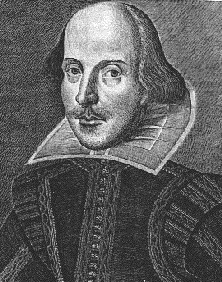
Here are many of the events that went on around the renaissance time period. A notable contributor to theatre at the time was Shakespeare, his works are still in use today, and he has impacted the English language to such an extent to having changed the way plays were written and performed.


These events changed the way that arts was prioritised and changed the way that theatre, and the arts in general, are performed and created. The renaissance was important in allowing the art forms to evolve to where they are now.

Theatre History - Medieval Theatre

  • 500-800 BC - The dark ages. Theatre is almost extinct as it was heavily discouraged by the Church.

The church began to use theatre in events that taught christian values to the public. Much of the population was illiterate. In addition the church gained a lot of power and forced christians to attend, theatre and the performances were to ensure that the people in attendance didn't get bored. 

The way that the theatre was performed was that there were multiple performances going on, and the audience was free to move around and watch a little bit of each one. This form of performance is a form of interactive theatre still in use today.

There were three types of plays in medieval time:
      1. Mystery Plays - Dramatisations of the Old and New Testaments lasts for days or weeks with over a hundreds actors.
      2. Morality plays - Battle between God and the Devil, Questions your religious morality. Personifies abstractions of virtues and vices.
      3. Saint Plays - Dramatic performances of the lives of the martyred saints

In the picture we have a performance of an old tale of "Everyman". "Every Man" played by Sahitya travels along the path towards heaven, he must not stray from the path, however the path is beset by personifications of the 7 deadly sins. In this picture I represent Lust, I lay on the block to provocatively lure in "Every Man". 

These plays are to educate the illiterate public on how to remain a pure christian, by not using complex metaphors, and instead being simple for anyone to understand 

Theatre History - Roman

Exploring the Roman aspects of theatre, we found that the romans used and adapted greek theatre. Roman theatre was more violent and sexual and it changed what theatre did. Theatre became less philosophical and more of entertainment.


This is our attempt at trying a roman pantomime, detailing a roman myth. It was very difficult to create a piece of theatre with very little lines or understanding of the topic. It was interesting to try and explore the story without speaking or using dialogue, forcing us to be more emotive and use our physicality better to emphasize our theme.

The roman theatre evolved into the entertainment that we see today, it changed from the philosophical criticism of gods and heroes, to a more senseless event that keeps the audiences entertained. This changed the way theatre was made and performed. 

Theatre History Greek theatre

Today we looked at exploring Greek Theatre, its conventions and its impact on modern theatre.


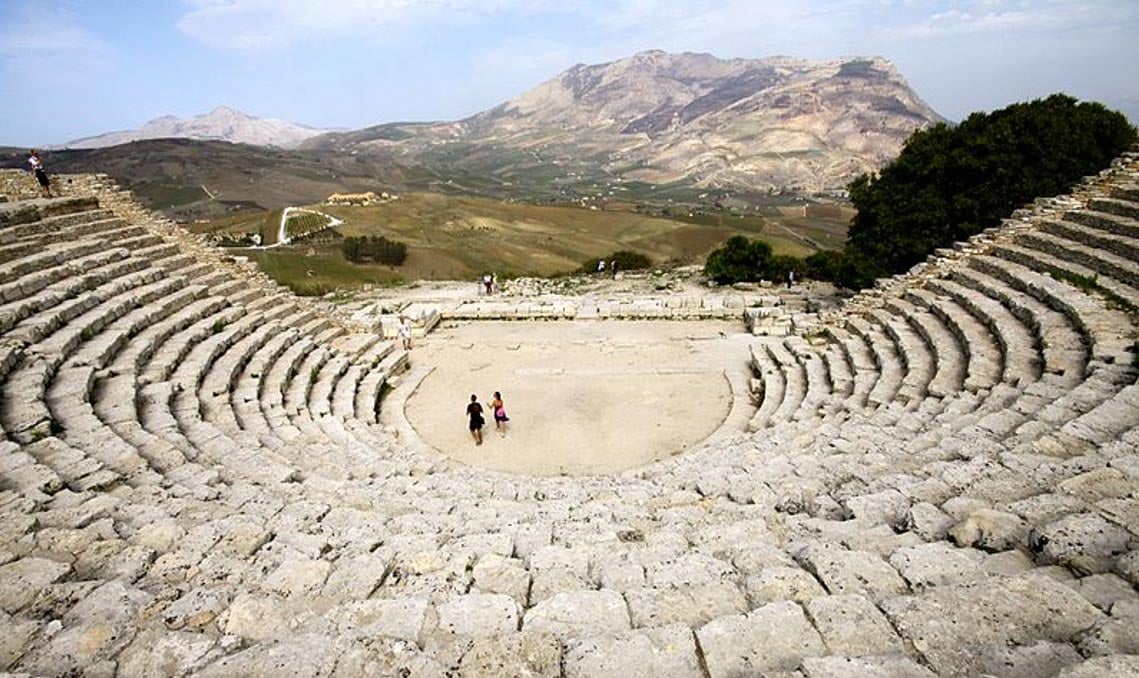
  • Greek theatre was conducted in large open air theatre spaces, these were designed to allow a large amount of people to watch performances. The way the structure was built was to allow the maximum amount of people to see and hear what was happening on stage
  • To help all the actors get the message across a group of actors called the "chorus" would act and speak in unison, this allowed all the audience, including those at the back to understand what was happening.

  • All the actors in a greek theatre performance wore masks to emphasis and exaggerate their characters emotions
  • Greek Plays came in three different categories, Comedy, tragedy and Satyr, these three plays evolved throughout the ages into the different types that we have now. 


We explored simple lines, performed in a chorus, with actions and lines in unison. We used a simple topic to try and see how difficult it was to try and act out lines in such a way that it would be simple to understand.


Saturday, 12 November 2016

Theatre of the Absurd

Looking at theatre of the absurd, I was quite interested with the weird conventions of the the practice. Looking at an extract from 'Waiting for Godot' I noticed that although the lines and dialogue make sense, the lack of context really makes the text different from other styles of theatre.


One of the main points of Theatre of the Absurd that I found quite interesting is that it does not come from a specific practitioner and instead it represents a number of theatre practitioners who shared a common interest in looking at the way humans question life. It represents a common interest shared between all of humanity and the number of practitioners adding to the theatre practice as a whole.

Looking at the aspects of Theatre of the Absurd, the one that stands out the most for me is the meaninglessness and the devoid of reason that the practice has. A lot of other practitioners place a lot of their emphasis on the meaning and representation of their scripts and performances, however the Theatre of the Absurd is purposefully meaningless. For me, an intended effect of the theatre practice, is to have the meaningless words, yet still have the dialogue make sense in snippets. Much like 'Waiting for Godot' the dialogue, makes sense and follows like a story, however the dialogue makes no sense in terms of an overall plot.


The Dumbwaiter - Harold Pinter


A good example of a comedy used within Theatre of the Absurd, is the Dumbwaiter by Harold Pinter. Most of the dialogue takes place between two actors. The part that stood out the most would be at the beginning where both pieces of dialogue revolve around two articles "Dan" reads out of his newspaper. Whats interesting is that both discussions about the articles end with the same line. This brings up the repetutuin. In addition, a none of the dialogue progresses the plot and its almost all comedic banter between the two characters. 


Sunday, 6 November 2016

Antonin Artaud

This week we looked at the practitioner Antonin Artaud, a french practitioner who created the Theatre of Cruelty. This form of theatre looked at shocking the audience to reveal the human condition or the primitive form of the human condition. Personally I am intrigued by the style of the theatre however I feel as though it is an extremely taxing role on the actor.


In this video we looked at creating a stylistic movement piece that was disturbing to an audience by repeating the same four movements over and over again. I feel like this can be very useful in certain performances as it uses conventions of physical theatre to make the audience feel disturbed, and its repetitive sounds and movements makes sure the audience is always engaged.


In this scene we created a piece of movement based on this image by Salvador Dali: The Persistence of Memory


The movement piece tries to capture the liquid fluidity of the clocks in the painting as well as the shifting perspectives make the painting seem to be dynamic and moving. We tried to use the sounds to continue this shifting landscape. I think this can be used in a number of places whilst acting. The surreal physical theatre movements allow the audience to feel emotions that cant be conveyed through naturalistic theatre. I like the movement side of Artaud's work however i feel as though the actors have to take on a very challenging role if they want to convey the disturbing imagery. However we can use the large physical theatre in a similiar way to Brecht's representative imagery to create a movement that embeds a representation in the same intensity of Artaud's movements.

Saturday, 29 October 2016

Brecht

Today we made a scene using brechtian techniques to try and understand the way an actor would feel when trying to maintain the epic theatre. I found the task quite difficult as my techinque was a form of questioning where the audience can ask me as an actor about my own character. This technique although useful to portray the character to the audience, is extremely difficult from the standpoint of the actor.


Overall, I don't think I would like to implement these into my other pieces of performance as it increases the pressure on the actor to know their character.